
Diabetes: Know the Signs, Protect Your Future
Diabetes is becoming more common across the world, including in Nigeria, and many people live with it for years without knowing. With early detection and good daily management, people with diabetes can live long, healthy, active lives.
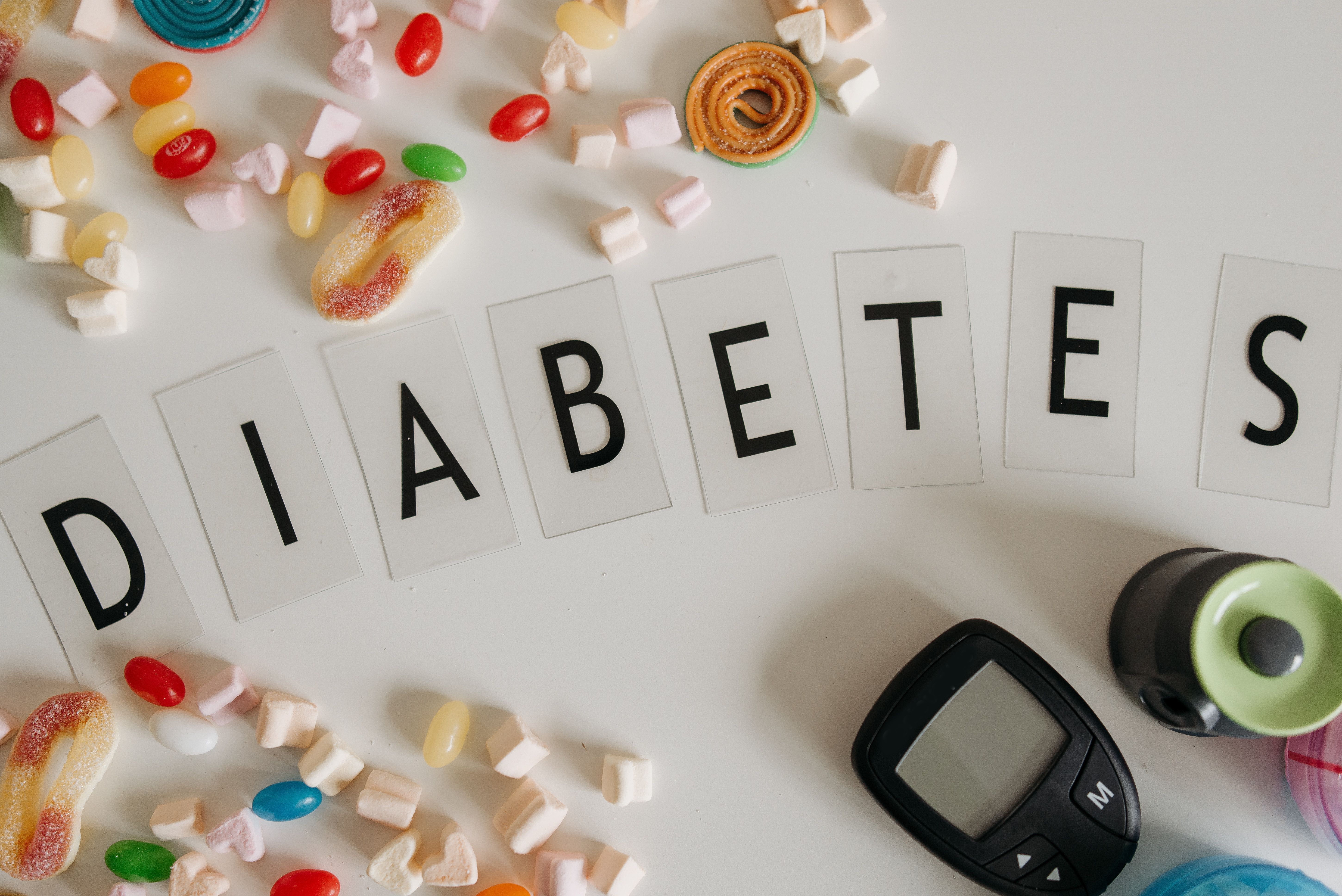
What is diabetes?
When you eat, your body breaks food down into glucose, which gives you energy. A hormone called insulin, made by the pancreas, helps move glucose from the blood into your cells. In diabetes, the body either does not make enough insulin or cannot use it properly, so sugar builds up in the blood.
There are three main types:
- Type 1: The body stops producing insulin. It usually starts in childhood or young adulthood and requires insulin treatment.
- Type 2: The body resists insulin or does not make enough. It is the most common type and is strongly linked to lifestyle, weight, and family history.
- Gestational diabetes: High blood sugar that develops during pregnancy. It often resolves after delivery but raises the future risk of type 2 diabetes for mother and child.
Common warning signs
Some people have no symptoms at all, especially in early type 2 diabetes. Watch for:
- Frequent urination, especially at night
- Excessive thirst and hunger
- Unexplained weight loss
- Constant tiredness
- Blurred vision
- Slow-healing cuts or wounds
- Tingling or numbness in the hands or feet
- Frequent infections, such as skin or urinary infections
If you notice any of these, get your blood sugar tested rather than waiting.
Who is at risk?
You have a higher risk of type 2 diabetes if you:
- Have a parent or sibling with diabetes
- Are overweight, particularly around the waist
- Are physically inactive
- Are over 40, though it is increasingly seen in younger people
- Have high blood pressure or high cholesterol
- Had gestational diabetes or gave birth to a baby weighing over 4 kg
Why it matters
Persistently high blood sugar slowly damages blood vessels and nerves. Over time, uncontrolled diabetes can lead to:
- Heart attack and stroke
- Kidney failure
- Vision loss and blindness
- Nerve damage and foot ulcers, sometimes leading to amputation
- Increased risk of serious infections
Most of these complications can be prevented or delayed by keeping blood sugar well controlled.
How to prevent or manage type 2 diabetes
Eat wisely. Choose whole grains, beans, vegetables, and lean proteins. Reduce sugary drinks, sweets, white bread, and large portions of refined starches. Even traditional staples like rice, yam, garri, and swallow should be eaten in sensible portions alongside vegetables and protein.
Move every day. Aim for at least 150 minutes of moderate activity a week. Exercise helps your body use insulin more effectively.
Maintain a healthy weight. Losing even 5 to 7 percent of your body weight can significantly reduce your risk.
Do not smoke. Smoking increases the risk of complications.
Sleep well and manage stress. Poor sleep and chronic stress can raise blood sugar levels.
Living with diabetes
- Take medication or insulin exactly as prescribed. Never stop or change doses without speaking to your doctor.
- Monitor your blood sugar as advised and keep a record of your readings.
- Check your feet daily for cuts, blisters, or sores, and wear comfortable, well-fitting shoes.
- Attend regular check-ups, including eye, kidney, and foot examinations.
- Learn the signs of low blood sugar, such as shakiness, sweating, confusion, and sudden hunger. If it happens, take a sugary drink or glucose immediately and seek medical help if it does not improve.
- Be cautious with unproven remedies. Herbal mixtures and "cures" can interfere with prescribed medication or delay proper treatment.
Who should be screened?
Adults over 40, and anyone with risk factors at any age, should have their blood sugar tested regularly. Screening is quick and simple, and early detection makes treatment far easier.
Seek urgent medical care if you have
- Extreme thirst with frequent urination and vomiting
- Fruity-smelling breath or rapid, deep breathing
- Confusion, drowsiness, or loss of consciousness
- A foot wound that is red, swollen, or not healing